Tuesday, 22 May 2012

Basic Japanese Cooking: homemade fish stock - Dashi


Japanese homemade fish stock (dashi) is very easy to make compared to beef stock or chicken stock using only 2 ingredients and water. Dashi is used as a base in Japanese cooking for soups, sauces, stews and many other types of Japanese dishes so it's useful to know how to make dashi.

You can buy ready to use dashi powder called hondashi. I use it if I'm really stuck for time and my homemade dashi stock has run out! It's probably best to know that hondashi is not as healthy or tasty as homemade dashi and it contains MSG, salt and other ingredients that you'd prefer to avoid! Please click here to see a picture of hondashi so you'll be able to find it in the market.   

When I worked in Japan I lived in a small rural village so everyone in the community knew me as I was one of the few foreigners living in the area. Over time I got to know my neighbours and they became my friends. I rarely had to buy rice as my neighbour who harvested rice always called over with a bag of rice. He would get annoyed if he heard that I bought rice in the supermarket as he thought his rice was the best! I remember one of my elderly neighbours showing me how to make dashi. The only difference between her recipe and this one is that she used fish head and bones instead of katsuobushi (dried shaved bonito flakes). However, a lot of Japanese people also use katsuobushi as it's more convenient and the taste isn't as strong.

Ingredients:
1 litre water
20g of kombu (dried kelp) seaweed - the size of a postcard
20g katsuobushi (dried shaved bonito flakes)

Instructions:
  1. Put 1 litre of cold water in a large saucepan.
  2. Add the kombu to the water and leave it soaking for about 20 minutes. 
  3. Heat the water until it comes to the boil and remove the kombu immediately.

5. Add the katsuobushi to the water and bring it to the boil again. Once the water starts to boil take it off the heat and let it sit until the katsuobushi sink to the bottom of the saucepan. 


3. Drain the dashi through a sieve lined with kitchen towel (you can store it in the fridge for about 3/ 4 days).


Tips:
  1. Freeze any unused dashi in containers and ice-cube trays.
  2. Wipe the kombu with a damp cloth before putting it in the water.
  3. Make a weaker dashi which is called "niban dashi" with the used kombu and katsuobushi from the first dashi which is called "ichiban dashi". Simply put 1 litre of water in a large saucepan and add the used katsuobushi and kombu to the water. Heat the water and remove the kombu just before it comes to the boil. Leave the katsuobushi sitting in the water until the flakes sink to the bottom of the water. Then drain using a sieve lined with kitchen towel.  

Why not:
If you can't eat fish add shiitake mushrooms instead.

Saturday, 19 May 2012

Hiyayakko- chilled tofu with grated ginger and soya sauce

Hiyayakko is chilled tofu with different toppings and a drizzle of soya sauce. The most popular toppings among Japanese people are grated ginger, spring onion, katsuobushi (bonito flakes), shiso and daikon radish.

Hiyayakko should take only 5 minutes or less to prepare! You can have it as an appetiser, side dish or main dish. It's nice and refreshing to eat on a warm summer's day.


Ingredients:
1 pack of cold silken tofu (preferably GM free tofu)
Thumb size piece of fresh ginger grated
Handful of finely chopped spring onion (optional)
Handful of bonito flakes/katsuobushi (optional)
3 tsp soya sauce

Instructions:
  1. Gently drain the water from the block of tofu and place on a serving plate. 
  2. Place the grated ginger (bonito flakes and spring onion) on top of the tofu.
  3. Drizzle soya sauce over the tofu and toppings just before serving.
How to eat:
You can serve this dish Japanese style as one block of tofu and let everyone help themselves or you can cut the tofu into smaller blocks and put a little topping on each small block of tofu. Then, serve on individuals plates.

Tips:
  1. Be careful not to pour too much soya sauce over the tofu or it will overtake the delicious taste of the tofu.
  2. Make sure to serve the tofu chilled.

Friday, 11 May 2012

Easy Japanese Chicken Curry Recipe

Japanese curry is unbelievably popular among Japanese people. There are curry restaurants all over Japan and Japanese family restaurants will always have a few curry dishes on the menu. Japanese curry tends to be sweeter and not as spicy as Indian curry. 

In this recipe I'm using S&B instant curry paste so it doesn't take long to prepare and tastes great! This particular brand is very popular in Japan. I bought this in the Asian supermarket which is located on Drury Street in Dublin and Merrywell Business Park, Ballymount, Dublin 12.  They stock S&B curry paste mild, medium and hot.


The meat and vegetable measurements below are just a general guide to make this curry but you can add less or more depending on what you prefer.

Ingredients: 
1 tbsp vegetable oil
1 medium onion (roughly chopped)
250g chicken breast (cut into bite sized cubes) 
2 medium carrots (cut into bite sized cubes)
1 medium potato (cut into bite sized cubes) 
700ml water 
120g curry paste (half pack)


Instructions: 
  1. Heat the oil in a heavy based saucepan on medium heat and fry the onions for a few minutes and remove from saucepan.  
  2. Add a little more oil to the saucepan if necessary and turn the heat to high. Place the chicken pieces in the saucepan and brown on both sides to seal the flavour.
  3. Add the onions, carrots and potatoes and mix all the ingredients together in the saucepan. Fry for a few minutes on medium heat to allow the vegetables to absorb the flavour of the chicken.
  4. Pour 700ml of water into the saucepan, place the lid on the saucepan and bring to the boil. Then turn the heat to low and simmer until the vegetables are cooked (about 15 minutes). 
  5. Cut the curry paste into square pieces and place in a cup and add some of the water from the saucepan and mix using a fork or small whisk removing any lumps. Add to the saucepan and stir using a wooden spoon. Let it simmer until you are satisfied with the consistency of the curry (5 minutes or less). If it's too thick then just add a little water.
Serves 4-6 people

How to eat: 
Serve on a plate with rice on one side of the plate and the curry on the other side of the plate. Then place a little pickled vegetable on the side of the plate.

Tips: 
  1. Use chicken leg or thigh instead of chicken breast as it's not as dry, is cheaper and tastes better!
  2. Add chilli if you like a bit of a kick in your curry! 
  3. If there's any leftover curry either freeze (probably best to avoid freezing the potato pieces) or use it for a bowl of curry noodles!
Why not: 
Add your favourite meat (beef, pork etc), seafood (shrimp, prawn) or a meat alternative such as tofu or your favourite vegetables (broccoli, sweet potato, peppers, aubergine). 


Monday, 30 April 2012

Japanese Teriyaki Recipe: Mince meat and aubergine in a teriyaki sauce

There are many variations of teriyaki sauce. This is a nice recipe to start off with and then you can adjust the proportions of the basic ingredients for the teriyaki sauce (soya sauce, mirin, sake and sugar) to adapt to your personal taste. 

Ingredients:
1 tbsp vegetable oil
2 large garlic cloves (finely chopped)
2 inches ginger root (finely chopped)
1 lb mince meat
2 large aubergine (cut into large square pieces)
8 tbsp soya sauce
4 tbsp mirin
4 tbsp sake
3 tsp caster sugar
Pickled ginger to garnish (optional)


Instructions:
  1. Heat the vegetable oil in a medium sized saucepan over medium heat.
  2. Add the ginger and garlic and fry for a minute or so (do not brown the garlic and ginger).
  3. Add the minced meat and stir using a wooden spoon to help break up the mince meat. Let it cook until the meat is nearly cooked (do not cook the meat fully or it may become dry).
  4. Add the aubergine pieces and stir into the mince meat using the wooden spoon.
  5. Mix the soya sauce, mirin, sake and caster sugar in a small bowl. 
  6. Pour the mixture over the mince meat and aubergine and stir well cooking under high heat for a few minutes, then let it simmer until the aubergines are nice and tender and most of the liquid has been absorbed.
How to eat:
Serve with a bowl of Japanese white rice. Sometimes I serve this dish with iceberg lettuce leaves (eat it like a wrap). This is not a traditional Japanese way of eating this dish but I find it handy if I don't have time to prepare rice or if I just fancy a change!

Tips:
  1. Add less sugar if you prefer the dish less sweet
  2. If you have time you could soak the aubergine pieces in a bowl of water before adding to the dish to get rid of the bitterness of the aubergine. 
Why not:
Try adding other vegetables that go really well with this teriyaki sauce. These include green peas, edamame (soya beans), carrots, mushrooms, broccoli etc.

Saturday, 21 April 2012

How to prepare and cook Japanese Rice


Click here to see the Japanese rice that I buy in Superquinn and the Asian market on Drury St in Dublin (they also have another store in Merrywell Business park, Ballymount, Dublin 22).

Instructions:
  1. Measure 2 cups of Japanese white rice.   
  2. Place the rice in a medium sized bowl and add cold water. To wash the rice use your hand to gently rub the rice grains against each other.
  3. Drain the rice and add more water. Continue to clean the rice and replace the water until the water runs almost clear.  
  4. Add the rice to a heavy based saucepan if you don't have a rice cooker.  
  5. Add 2 cups of cold water to the rice in the saucepan (always add the same amount of water as rice).  
  6. Put the lid on the saucepan and turn the heat to maximum. When the water starts to boil reduce the heat and leave the rice cooking for about 10 minutes (try not to remove the lid).
  7. Then, turn off the heat and leave the rice standing for another 10 minutes. Now, remove the lid and using a rice spatula turn the rice from the wall of the saucepan towards the middle to get a nice fluffy and sticky white rice. 

How to eat:
Serve in individual bowls if you're having a traditional style Japanese meal. Since Japanese rice is sticky it's easy to eat with chopsticks compared to other types of rice.

Tips:  
  1. To make the rice tastier leave the drained washed rice sitting for about 10 minutes before cooking. Or my Japanese homestay mother use to leave the rice and water sitting in the rice cooker for about an hour before cooking.
  2. Make sure to wash the rice properly using your hand. How you wash the rice is just as important as how you cook the rice to get the perfect bowl of sticky Japanese rice! 
Why not: 
Add your favourite vegetable and some sake to the rice (tiny pieces of carrots or peas go very well).

Wednesday, 11 April 2012

Easy Japanese Miso Shiru Recipe: Miso Soup

When I lived in Japan I had miso soup almost everyday. So, when I left Japan and returned to Ireland I really missed the taste of real Japanese miso soup. I could buy miso soup sachets in Asian supermarkets and health stores or order miso soup in Asian restaurants around the country but none of them compared to the delicious taste of this simple recipe that you can make at home. 


Ingredients: 
1000ml dashi* (homemade or instant dashi)
180g potato (peeled and cut into small bite sized cubes) 
60g onion (peeled and thinly sliced)
2-3 tbsp miso* paste (you can add more if you like a stronger taste)
*Click here to see miso and dashi explained on my "Basic Japanese ingredients - what they are and where you can find them" post
*Click here to see my recipe for homemade dashi (fish stock)

Instructions: 
  1. Put the dashi in a medium sized saucepan and turn the heat up to maximum. 
  2. Once the dashi is boiling add the potatoes. 
  3. When the potatoes are nearly cooked add the onion and continue to boil until the onion slices are nice and soft. 
  4. Before adding the miso paste lower the heat allowing the dashi to simmer only. 
  5. Dilute the miso paste in a cup of dashi taken from the saucepan. Then, add to the saucepan and gently mix all the ingredients. 
The miso soup is now ready! 

How to eat: 
Serve in a bowl with chopsticks or a spoon. Japanese people hold the bowl to their mouth to drink the soup. They use chopsticks to eat the bite size ingredients in the soup.

Tips:
  1. Never boil the miso soup only allow to simmer.
  2. Leave the chopped potato cubes into a bowl of cold water for a few minutes to remove excess starch before adding to the dashi.

Why not: 
Add tofu and wakame seaweed instead of potato and onion or any of your favourite vegetables.

Tuesday, 27 March 2012

Basic Japanese cooking ingredients PART I - what they are and where you can find them


Over the last few years Japanese ingredients have become more and more available in countries outside of Japan. In Ireland you can easily find Japanese ingredients in larger supermarkets, health stores and Asian supermarkets scattered across the country. I buy most of my ingredients in the Asian Market on Drury St in Dublin (they also have another store in Merrywell Business park, Ballymount, Dublin 22). It has a great selection of Japanese ingredients at reasonable prices.

If you want to start cooking Japanese food at home you'll need some basic ingredients in your kitchen cupboard. I made a short list to begin with to keep it simple. You can always add other items to this as you start to cook more Japanese food at home. 


JAPANESE WHITE RICE
Most Japanese people eat rice at least once if not three times a day. So it's important to know how to prepare and cook Japanese rice in order to be able to enjoy a proper Japanese meal at home. Click here to go to my post "How to prepare and cook Japanese rice". 

I buy the Sun Clad Shinode brand of Japanese white rice. It's a large 10 kilo bag and costs just under 20 euro which is very reasonable. If you don't eat a lot of rice then you can buy a smaller bag which they started to stock recently. Superquinn also stock the smaller bag of Shinode sushi rice.


JAPANESE SOYA SAUCE
I prefer to use Japanese soya sauce when I'm cooking Japanese food. I buy Kikkoman Japanese soya sauce with less salt. It's ok to use other types of soya sauce however for authentic Japanese taste I'd recommend using Japanese soya sauce if you can get it.


JAPANESE RICE VINEGAR
Again, I prefer to use Japanese rice vinegar when cooking Japanese foods. Rice vinegar is mostly used to make sushi, Japanese salad dressings and some sauces.


JAPANESE SAKE
The Japanese use sake the same way as we use wine when cooking in the West. Sake is an alcoholic drink made from rice and adds a nice taste to Japanese dishes. It's not necessary to buy an expensive bottle if you're only using it for cooking.


JAPANESE MIRIN
This is a sweet rice wine with a lower alcohol content than sake. It's used for cooking in Japan and adds a nice sweet balance to Japanese dishes. 


JAPANESE FISH STOCK - DASHI
This is Japanese cooking stock. You can buy instant dashi granules like the one pictured below or you can make dashi from scratch. It's worth making homemade dashi if you have time as it tastes better and is healthier than the instant dashi. Click here to see my recipe for Japanese homemade fish stock.


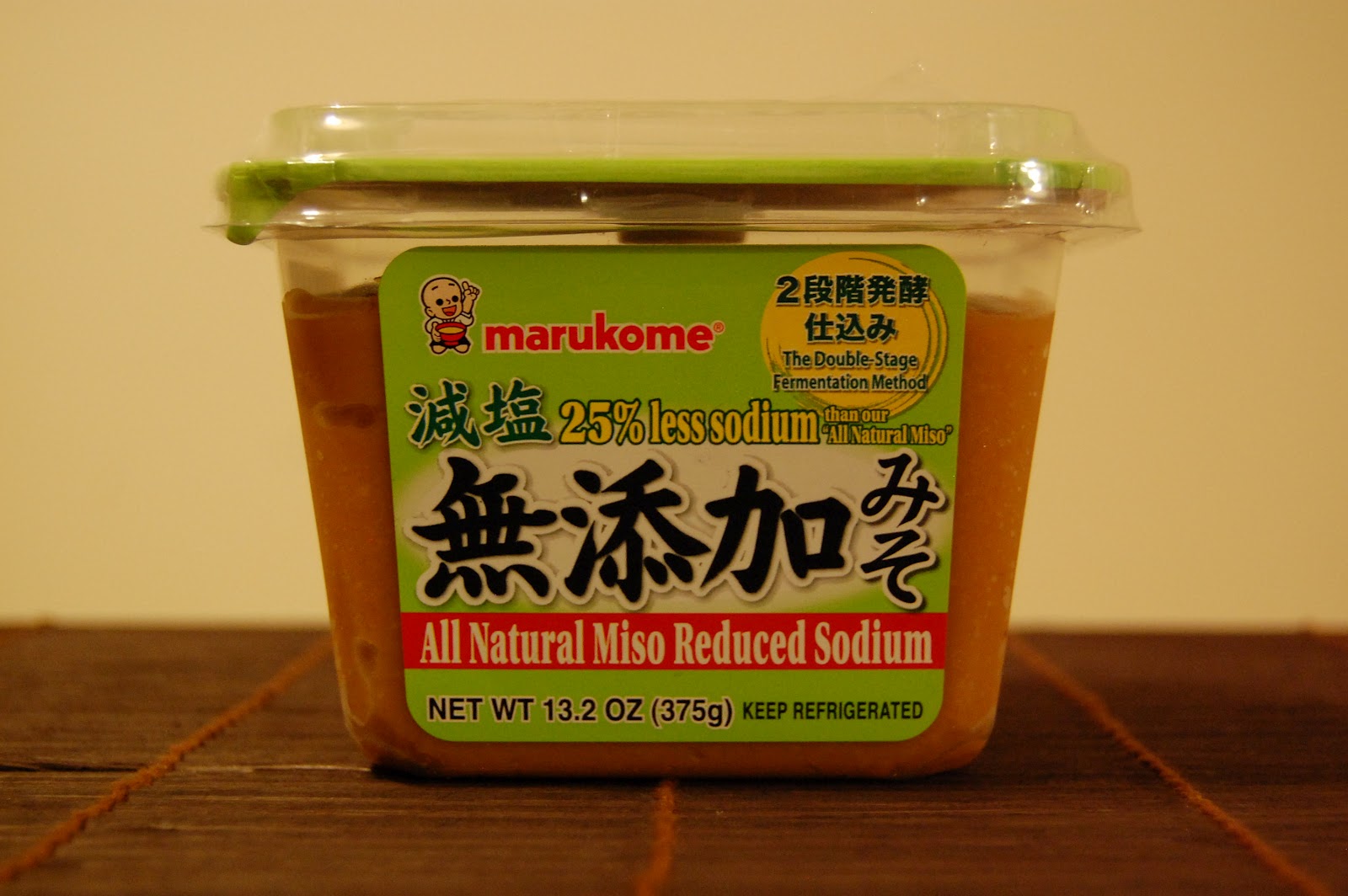
JAPANESE MISO
Miso is made from fermented soya beans. There are many different types of miso and the miso colour can vary from light brown to dark red/brown. Generally the lighter the colour the milder the taste. So if you're new to Japanese food then I'd start off with a lighter colour one. Once miso is opened it should be stored in the refrigerator and can be stored there for a long time (I'm not sure how long exactly but a year anyway!). Click here to see my recipe for "Miso Shiru - Japanese Miso Soup".


Related Posts Plugin for WordPress, Blogger...